Psyche & Eros: The Original Situationship
Lights off. No names. No questions. Great sex. What could possibly go wrong?
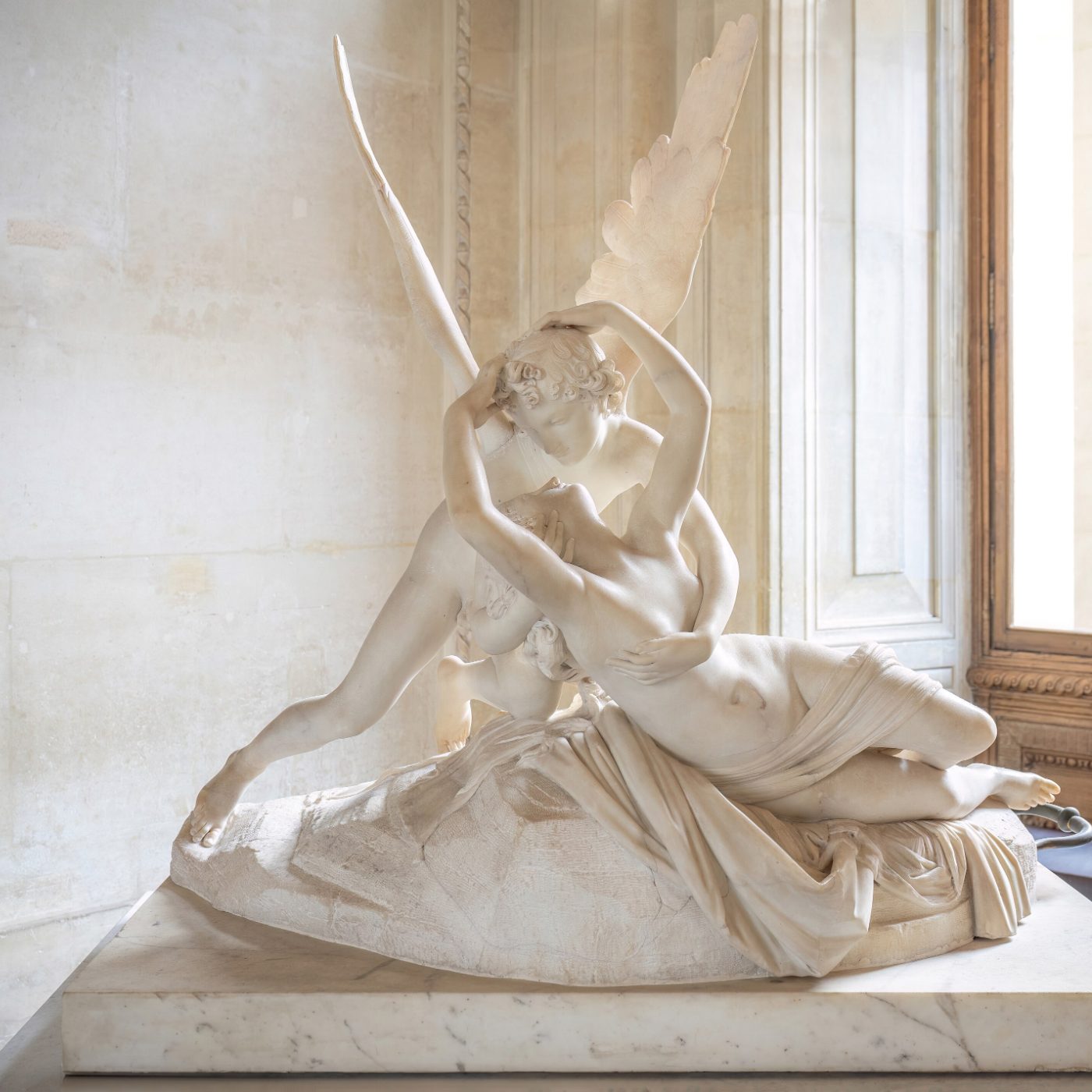
Let's talk about the oldest love story with a happy ending in Western literature. It was written down in the 2nd century by Apuleius, inside a novel literally called The Golden Ass. Yes, really. Some of the best things in life come in very silly packaging.
The setup. Psyche is a princess so beautiful that people stop going to Venus's temples and start worshipping her instead. Venus, goddess of love and also of pettiness, is furious. She sends her son Eros (Cupid, if you're Roman about it) to make the girl fall for the most hideous creature alive.
Instead, Eros takes one look and falls for her himself. Classic.
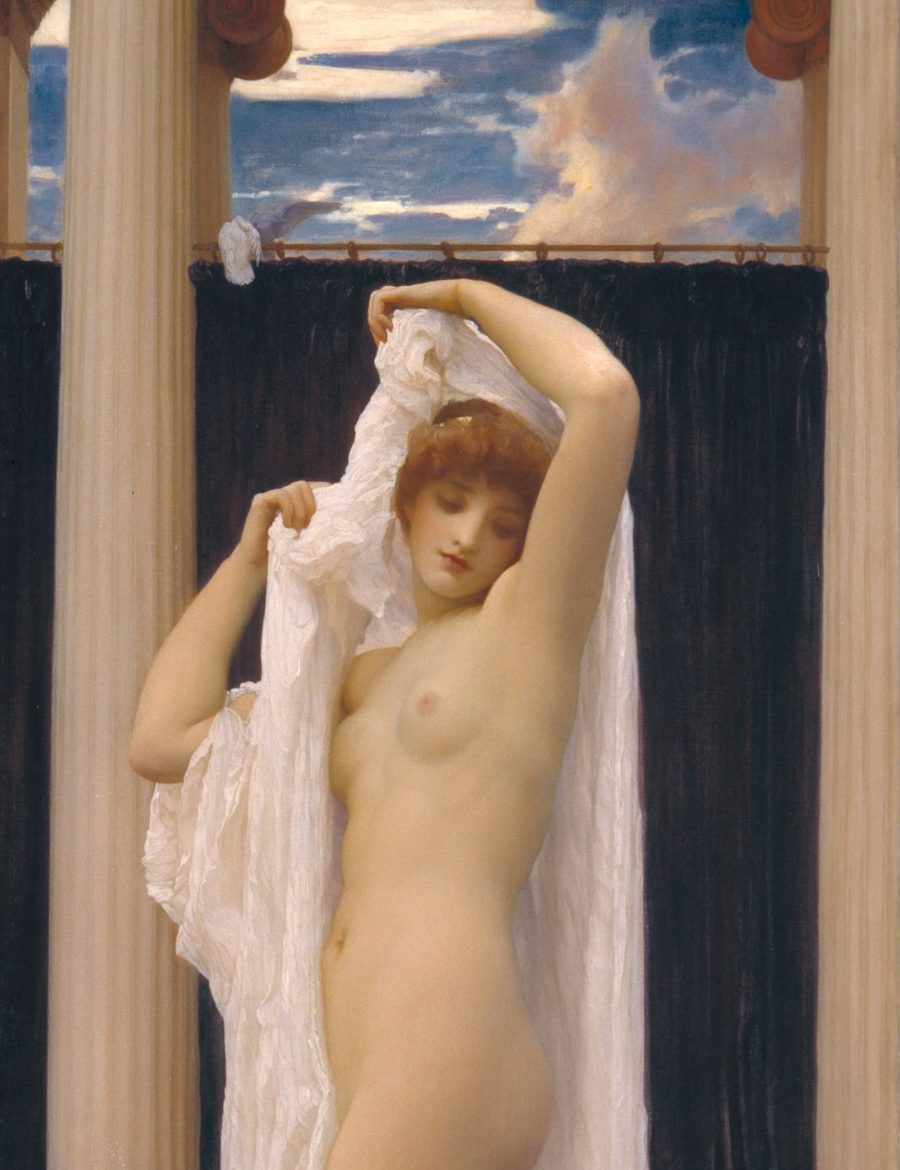
The dark palace. An oracle says Psyche must be left on a cliff for a monster husband. A soft west wind carries her down to a palace with invisible servants, hot baths and a husband who only arrives after dark. He is tender, he is wonderful, and he has one rule: you may never see my face.
Honestly? As a fantasy, a vibe. Blindfolds have been around for a reason. But the kinky part of this story was never the dark. It was the rule nobody agreed to.
Pleasure with no say in the terms is not freedom. It's a very nice cage.
The lamp. Psyche's sisters visit, see the gold, get jealous and plant a seed: what if he's a serpent? So one night, Psyche lights an oil lamp and picks up a knife.
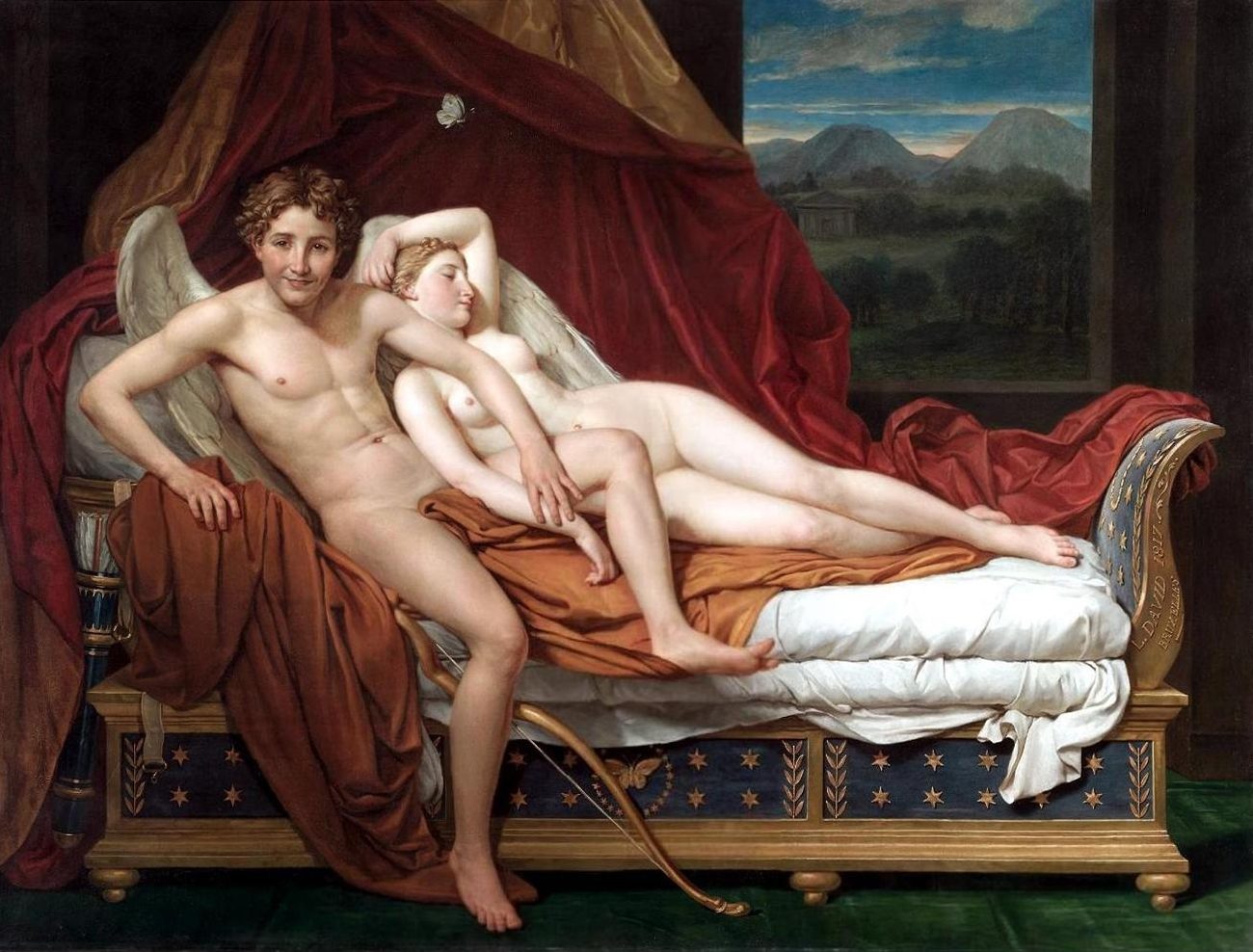
What she sees is the god of love, asleep. She is so stunned she pricks her finger on one of his arrows, and falls in love with Love. Then a drop of hot oil lands on his shoulder. He wakes, sees that she looked, and flies away.
Painters could not leave this moment alone. Look at any version of it: a woman holding a small flame over a sleeping body, choosing to know instead of only to feel. That lamp is the most feminist object in mythology.
The mother-in-law from Olympus. Now Psyche has to find him, which means facing Venus. Venus gives her four impossible tasks:
- Sort a mountain of mixed grains by nightfall. (Ants help.)
- Bring back golden wool from violent, sun-mad sheep. (A river reed tells her to wait until they rest and pick the wool off the bushes.)
- Fill a jar from the river Styx, guarded by dragons. (An eagle does the flying.)
- Go to the Underworld and bring back a box of Proserpina's beauty.
For the last one, a tower gives her directions. A talking tower. If you read tarot, sit with that for a second: the card we fear most is, in this story, the one with the map.
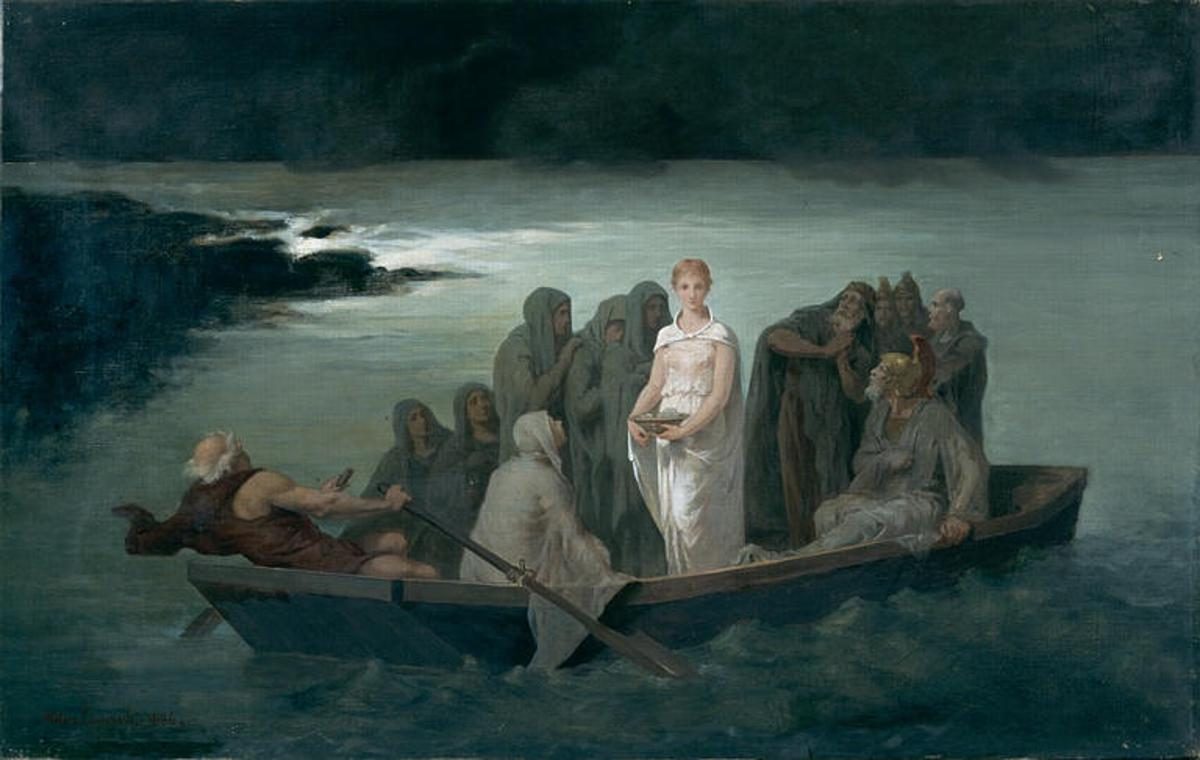
The box. On the way back, Psyche opens the box. She wants to be beautiful for him. Inside is not beauty but a sleep like death. Eros, healed by now and frankly missing her, flies down, wipes the sleep away and wakes her with a harmless prick of an arrow. Jupiter makes her immortal. They marry on Olympus.
And their daughter is named Voluptas. Pleasure. The happy ending of the soul and desire is, literally, Pleasure.
The Jung bit
In 1952 the Jungian analyst Erich Neumann wrote a whole book on this myth. His reading: the dark palace is love before consciousness. It feels perfect because you don't have to see anyone, including yourself. The lamp is the moment you choose to look.
In modern words: the dark palace is the situationship. All feeling, no information. The lamp is the question you're scared to ask. And the four tasks are what real love asks of you afterwards: patience, timing, help from small unexpected places, and one trip into your own underworld.
Notice who does the growing in this story. Not the god. The girl with the lamp.
In the cards
- The Lovers: not "you'll meet someone". A choice made with your eyes open. Psyche's lamp.
- The Moon: the palace at night. Beautiful, blurry, half-true.
- The Tower: the shock of seeing clearly and, as Psyche learns, the thing that shows the way down and back.
- The Star: after the Underworld. Calm, bare, renewed.
Bonus nerd fact
Psyche and Eros are both asteroids. 16 Psyche, a metal-rich world, is being visited by NASA's Psyche spacecraft. And in 2001, the first spacecraft ever to land on an asteroid landed on... Eros. Of course it did.
The Lamp Spread
Pull three cards, with any deck:
- The dark palace: what am I enjoying by not looking at it?
- The lamp: what would I see if I looked?
- The task: what is mine to do next, for me?
No deck nearby? The Night Museum paints all 78 cards as famous artworks.
See The Night MuseumLove, looking,
Karmically Bonded